Tactical Awareness That Improves Every Match
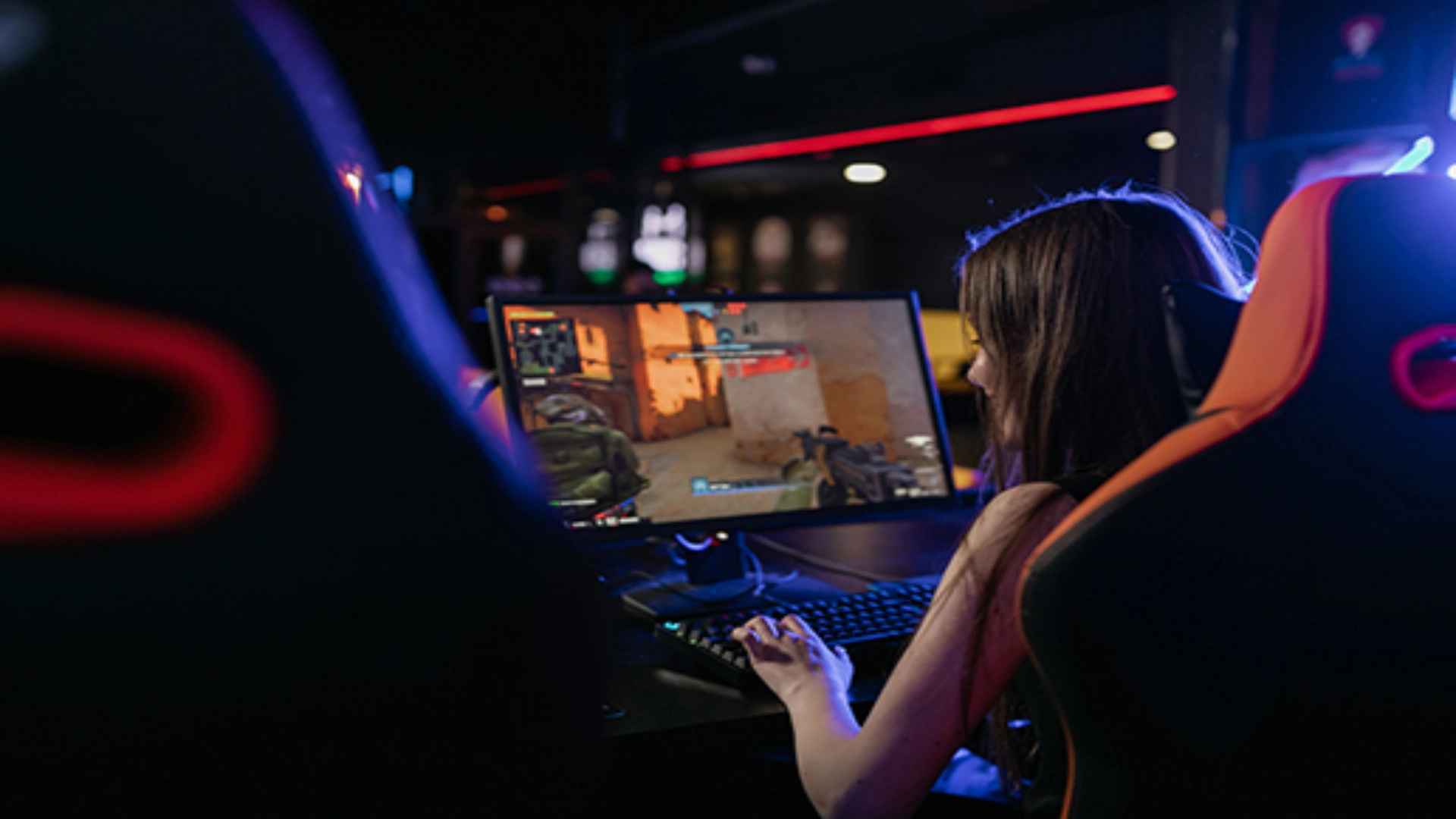
Developing high-level tactical awareness is a primary differentiator between casual participants and elite competitors in modern strategic gaming environments. While raw physical reflexes provide a helpful baseline, true spatial dominance relies on processing environmental shifts with exceptional efficiency. Competitors who systematically elevate their situational perception can consistently dictate the overall flow of high-pressure matchups.
The Core of Environmental Scanning
Achieving absolute clarity on the digital battlefield requires a continuous evaluation of open variables and hidden threats. Successful players routinely monitor key spatial boundaries to anticipate aggressive movements before they fully manifest. By reading subtle behavioral patterns from the opposition, you can formulate reliable counters rather than guessing.
Furthermore, maintaining acute positioning transforms how resources are deployed during intense, multi-layered skirmishes. Rushing forward without scanning local blind spots frequently results in sudden structural vulnerabilities. Cultivating proper spatial tracking routines ensures your formations remain insulated against unpredictable hostile adjustments.
Balancing Position and Safety
Sustainable competitive execution demands a highly balanced transition between offensive progression and defensive stability. Elite gaming entities avoid overextending their active units, ensuring a reliable fallback lane is always maintained. This structured caution minimizes unnecessary asset depletion while keeping constant operational pressure on your rivals.
To understand how structured parameters function within complex setups, enthusiasts can check out reliable environments like M88 Bet to study detailed layouts. Evaluating these competitive conditions helps clarify how space directly impacts final outcomes. Perfecting this spatial equilibrium prevents defensive collapse when facing highly aggressive tactical approaches.
Cognitive Adaptability Under Duress
No overarching plan survives first contact with a truly unpredictable opponent, making immediate adaptability a vital skill set. When a sudden crisis disrupts standard protocols, top-tier competitors quickly pivot their baseline structures. This fluid cognitive processing under extreme pressure separates standard gamers from disciplined tournament champions.
Managing emotional spikes during high-stakes turning points heavily influences overall long-term performance. Allowing panic to override structured analysis usually triggers hasty execution errors that compromise your defensive integrity. Developing patient tracking habits allows you to exploit minor positional mistakes when the enemy overextends.
Continuous Review and Mental Growth
Mastering modern strategic landscapes ultimately requires deliberate practice combined with objective post-game evaluation. Reviewing historical match data helps identify recurring tactical vulnerabilities that require immediate mechanical adjustments. Over time, this focused analytical methodology refines the instant spatial intuition necessary to dominate challenging battlefields.
Every minor structural defeat offers a unique cognitive lesson that enhances your future operational capabilities. Treating complex match failures as learning opportunities helps build long-term analytical resilience across diverse competitive formats. Through persistent adjustments and disciplined field execution, any dedicated player can elevate their tactical awareness to an elite tier.